

描述
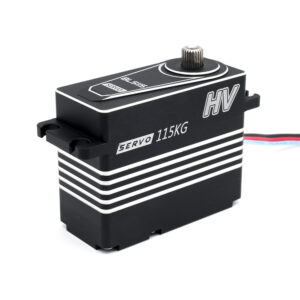
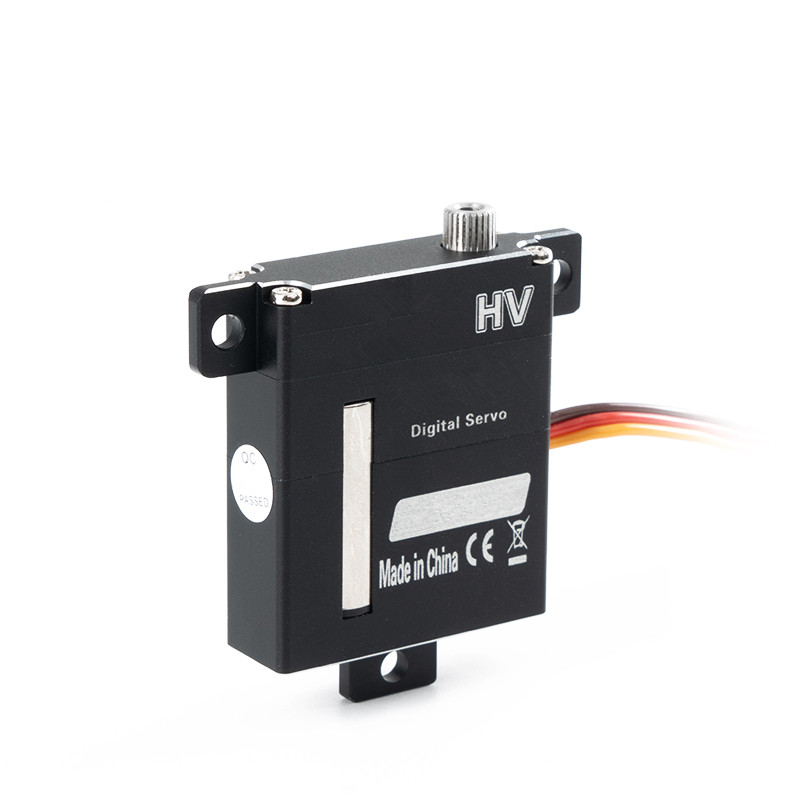
Model: DS198X
Minimum order: 20
Wheelbase:
Weight: 28g±5
Function: 12Kg.cm/0.14sec/60°@6.0V, 32Kg.cm/0.14sec/60°@7.4V, 35Kg.cm/0.12sec/60°@8.4V , 30*20*38.7mm
A professional-grade RC servo specifically developed for fixed-wing gliders (competition/recreational grades). With the core design concept of “slim structure + full-metal durability + 18KG high torque”, it is suitable for gliders with a wingspan of 1.8-3.5 meters, meeting the needs of long-duration flights, precise control, and medium-to-high intensity stunts. It is the first choice for professional pilots and advanced enthusiasts. Core Performance Advantages1. Full-Metal Reinforced Structure: Features 6061 aluminum alloy CNC housing and stainless steel output gears, with impact resistance increased by 40% and wear resistance 3 times that of traditional servos. Equipped with a dual-ball bearing design, the transmission clearance is ≤ 0.1mm, avoiding rudder surface response delay. 2. Slim and Lightweight Design: Measures 30mm×10mm×35.9mm, with thickness reduced by 25% compared to servos with the same torque, fitting narrow compartments of wings/horizontal stabilizers. The all-metal structure weighs only 58g, reducing the overall weight of the glider and improving flight duration and stability. 3. High-Voltage & High-Torque Output: Delivers 18KG·cm torque at 8.4V, capable of driving wing surfaces of gliders with a wingspan of over 3 meters. Adopts GDW’s self-developed “Linear Power Control Algorithm”, with torque output error ≤ 3%, preventing “rudder overshoot” during high-altitude fine adjustments.Application Scenarios- Competition-grade: Compatible with F3K/F5J models, meeting the needs of long flight duration and high-precision route adjustment in competitions. – Recreational-grade: Drives ailerons, flaps, and rudders of 1.8-3.5m electric/petrol fixed-wing gliders, balancing flight duration and flexible control. – Stunt aircraft: Supports medium-to-high intensity maneuvers (e.g., inverted flight, loops, rolls). The 18KG torque handles instantaneous loads on rudder surfaces during stunt flights, avoiding operational failures caused by insufficient power.
